


by John Hosford
We have had some really hot weather, with record temperatures, and near-drought conditions have put a lot of pressure on many plants and lawns. With hose pipe bans in place, gardeners now need to consider both the storage and careful use of water.
Autumn and early winter are ideal times for planting trees, shrubs and bare-root fruit trees. Late spring and summer plantings may not have had enough time to establish before the onset of hot, dry weather. Hydrangeas, which are planted extensively throughout West Cork, have suffered particularly during the recent hot, dry spell.
Heavy mulching with bark mulch, composted stable manure or farmyard manure is well worthwhile for conserving moisture. Make sure any compost used is free of weeds. Mulching can be carried out in late winter or early spring, or immediately after planting. Roses and perennials can also be mulched in late winter or early spring with composted manure. If this is not available, Gee-up, made in Blarney, Co. Cork, is an excellent alternative.
Water can be stored from the winter rains in water butts or tanks, and gardeners should enquire locally about stockists. Carbery Plastics in Clonakilty manufacture water butts and accessories. Rainwater or grey water can be used when watering new plantings.
Fruit garden: Apples should be picked as they ripen. Earlier varieties such as ‘Beauty of Bath’ and ‘Discovery’ can be picked as soon as they are ripe. Test the fruit by gently clasping it; if it is ripe, it should detach easily without much pressure. Early varieties will not store for long and should be used within seven to ten days of picking.
Autumn-fruiting raspberries should also be picked, while recently planted strawberries need to be kept well watered. Ripening fruit should be protected from birds and wasps with well-secured netting. Gardeners should also be wary of wasps when collecting windfall fruit.
Prune off mildew-infected shoots on apples and pears. Finish pruning summer-fruiting raspberries by cutting out the fruited canes and tying in the new canes securely.
Container-grown peaches and nectarines can be planted in a sheltered spot. Prepare the soil by digging it over and incorporating plenty of well-composted farmyard manure or garden compost. Dig a hole large and deep enough to plant the tree at the same depth as it was in the container, making sure the point where it is grafted remains above ground level.
Greenhouse and under cover:
September is a good time to attend to greenhouse repairs and replace any broken panes of glass. Remove shading before October arrives and reduce watering during the month. Watering early in the day will help reduce fungal infection.
Ventilators should now be closed at night but opened during warm and mild days. Good air circulation will help reduce the risk of disease. Tender plants should be brought indoors in late September or early October, including pelargoniums, tender fuchsias, cannas and lantanas.
Continue picking tomatoes, cucumbers, courgettes, peppers and aubergines as they ripen. Keep the greenhouse well ventilated on warm days and continue feeding with a liquid seaweed-based fertiliser. Avoid creating damp conditions in the evening.
Lawns: September is a good time to sow grass seed or lay turf, with sowing completed by the end of the month while there is still warmth in the soil. Established lawns can be fed with an autumn lawn feed now.
Thatch, the layer of dead grass and other debris that builds up on a lawn, should be removed. Thatch can cause problems with surface drainage and encourage moss and other weeds to colonise the lawn. On a small lawn, it can be pulled out with a spring-tined rake. For a larger lawn, it is worth considering hiring a powered scarifier from a local tool hire company. The lawn will look a mess immediately after scarifying, but it will do it the world of good and it will soon recover.
After removing the thatch, the next job is aeration. This can be done by pushing a fork 15cm into the ground at 15-18cm intervals. A machine can be hired for larger lawns. Worn patches should be reseeded and broad-leaved weeds dealt with.
Bulbs: Spring-flowering bulbs will now be available in garden centres and shops. Bulbs can also be planted or potted up now for Christmas flowering. Hyacinths, early narcissi such as Paperwhite and Grand Soleil d’Or, and freesias are suitable choices.
Dwarf bulbs are ideal for providing early colour in a cool greenhouse or conservatory, or outdoors. Dwarf iris, crocus, scilla, dwarf tulips, dwarf narcissi, tulips and Anemone blanda can all be grown in pots, provided there is good drainage.
Outdoor bulbs for spring flowering can now be planted, although tulips are usually planted in November. Tall varieties of tulips and narcissi can be underplanted with pansies, violas, polyanthus, dwarf wallflowers or forget-me-nots. Combinations could include tall red tulips with blue forget-me-nots, tall yellow trumpet daffodils with blue pansies, or Narcissi Tete a Tete with blue crocus and blue or purple aubretia trailing at the edges or front of a container.
When buying bulbs, check that they are firm, sound and free of mould or fungal infection. Check the heights and colours on the packet and choose lower varieties if you are gardening in an exposed place. It is also worth choosing a selection of varieties that will provide a succession of colour from December to May. Snowdrops will be among the first to flower, with some early varieties flowering even before Christmas. These can be followed by early narcissi such as January Gold, dwarf iris, dwarf tulips, hyacinths, late narcissi and tulips, followed by Dutch iris.
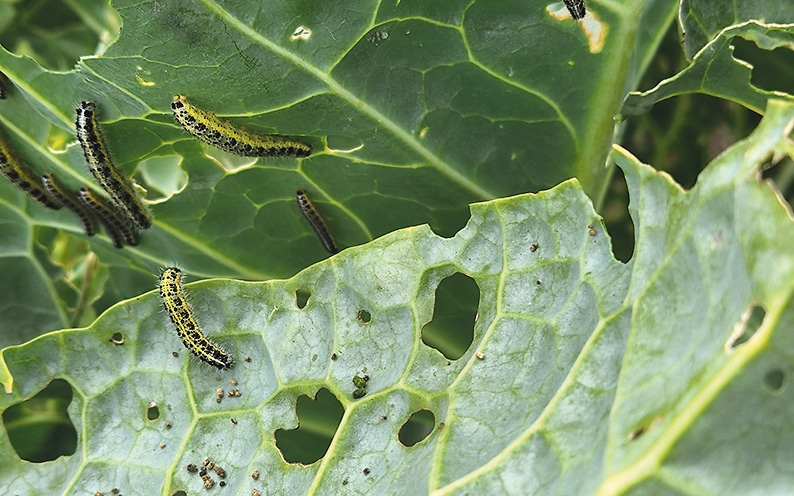
Vegetable garden: In the vegetable garden, harvest potatoes and control slugs on potatoes remaining in the ground. Runner beans, French beans and peas should be picked, while brassicas need protection from caterpillars. These should be dealt with immediately as they can cause considerable damage in a very short period.
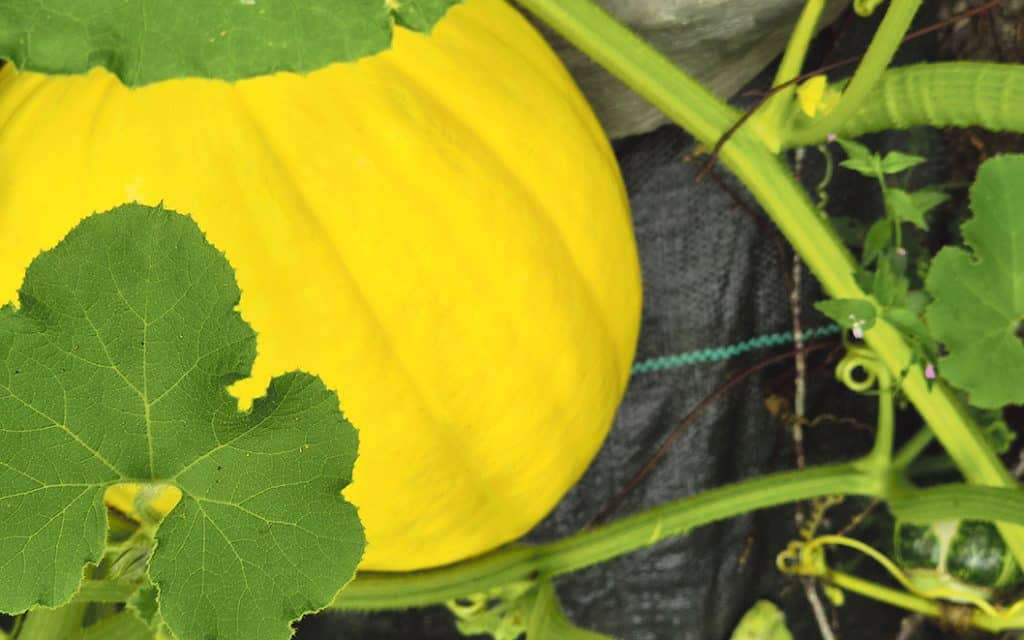
Pumpkins, squashes and vegetable marrows should be harvested and brought indoors to a cool, dry and frost-free place. Handle the fruit carefully to avoid damage or blemishes, which will shorten its storage life. Until harvesting at the end of the month, protect the fruit by placing a slab or slate underneath each one to keep it clean.