


by Liz O’Mahony
The question of whether or not dogs feel guilt is a very interesting premise and one that has been researched at length by many people including a 2009 study by dog cognition expert, Dr Alexandra Horowitz. All have concluded – probably not!
“Not true,” I hear you say. “If I come home to find something torn to shreds, my dog looks really guilty!” Let me refute this argument. Dogs live in the moment. They get excited or frenetic while tearing something apart and enjoy the adrenalin rush that it generates. Once that arousal is over, they forget the action including the pleasure, and possibly curl up and go to sleep. The point is that dogs don’t actually relate to past historic actions unless that history is repeated or they imagine it could be replicated – such as the horror of an aggressive dog attacking them. That fear or feeling the need to retaliate manifests itself each time they encounter a strange dog or the culprit reappears to threaten their personal space. But, that is something entirely different.
So why does my dog look so guilty when I return to find the results of his destruction laid before me you ask? It’s not guilt. It’s because your dog is reading your body language, your face, even your thoughts. You return home to find a cloud of stuffing, paper, whatever, littered across the room from a canine riot! On being faced with this disaster, your body language changes immediately. Your face registers surprise, shock, horror, swiftly followed by anger and consternation. Your whole body stiffens with outrage. Your normal soft vocal tones are replaced by shouting, possibly even expletives!
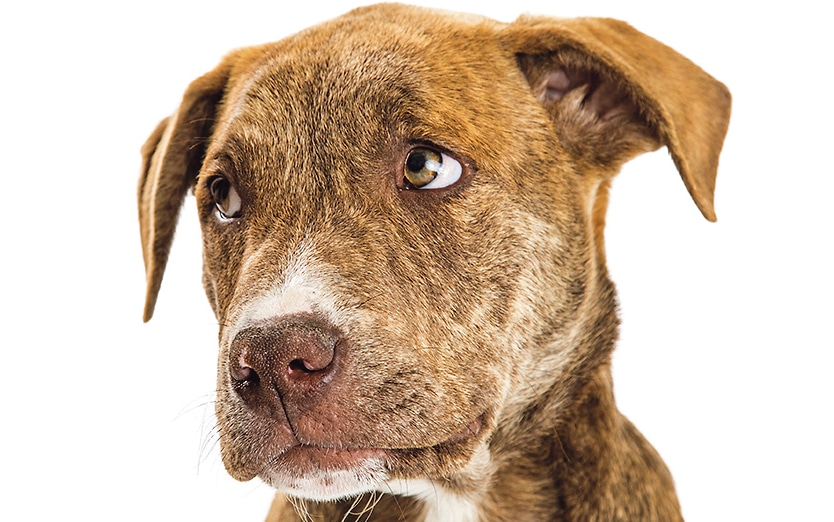
These are all natural reactions to the situation. However, your dog registers all of this but has no idea why. He doesn’t connect your reaction to his earlier errant behaviour. All he notes is that you’ve turned into a monster who must be appeased. And appeasement is what you interpret as guilt for his actions. So he makes himself as small as possible to indicate that he’s no threat. You interpret this as him cowering with remorse for his misdemeanour under the might of your wrath. His ears flatten on his head; his head lowers, and he avoids eye contact. All of these actions are submissive and an act of appeasement to counteract your anger. It’s easy to interpret that as the human emotion of guilt.
However, you need to take a reality check here. First of all, as already explained, you need to understand that there’s absolutely no point in scolding your dog for a past action because he’s no idea why you’re irate. All you are doing is making your dog nervous around you fearing you might explode at any time in the future. Therefore, you’re undermining any trust that might have been building in your relationship with him.
Here are a few positive pointers to better manage this situation:
If your dog is destructive by nature, use a crate for the times that you are absent. Or place him behind a child gate in a room that has nothing ‘chewable’ except for his own toys but these should be indestructible. Think of it as “avoiding the occasion of sin!” If he can’t get access to items that can be destroyed, he may simply grow out of or forget this unwanted behaviour.
Only intervene if your dog is actually making a beeline to chew something he shouldn’t. But that obviously means you have to be present to do this. And ensure you preempt his actions rather than attempting to stop him when his adrenalin is aroused, as he’ll be less inclined to listen to you.
Remember to reward all good behaviour with praise and treats. Dogs get to enjoy those words of praise from you. They’re a guideline that you’re happy with what they are doing. Therefore, your silence when your dog starts doing something bold will speak volumes.
If you do come home to destruction, take a deep breath and try to stay calm. It’s important for you to control your emotions as an example to your dog. But again, maintaining silence and ignoring your dog will help get the right message across that you’re not impressed with his behaviour. Ranting and raving in front of your dog teaches him nothing except that you’re scary! And as dogs copy our behaviour, you don’t want him mirroring your lack of self control in canine terms.
If your dog persists in destructive behaviour despite your best efforts in training, you may need to call in an expert who can give you advice and methods as to how to deal with this.
Some breeds of dogs are more inclined to chew than others. But, if you start teaching them from the moment they come to live with you, you will have success.