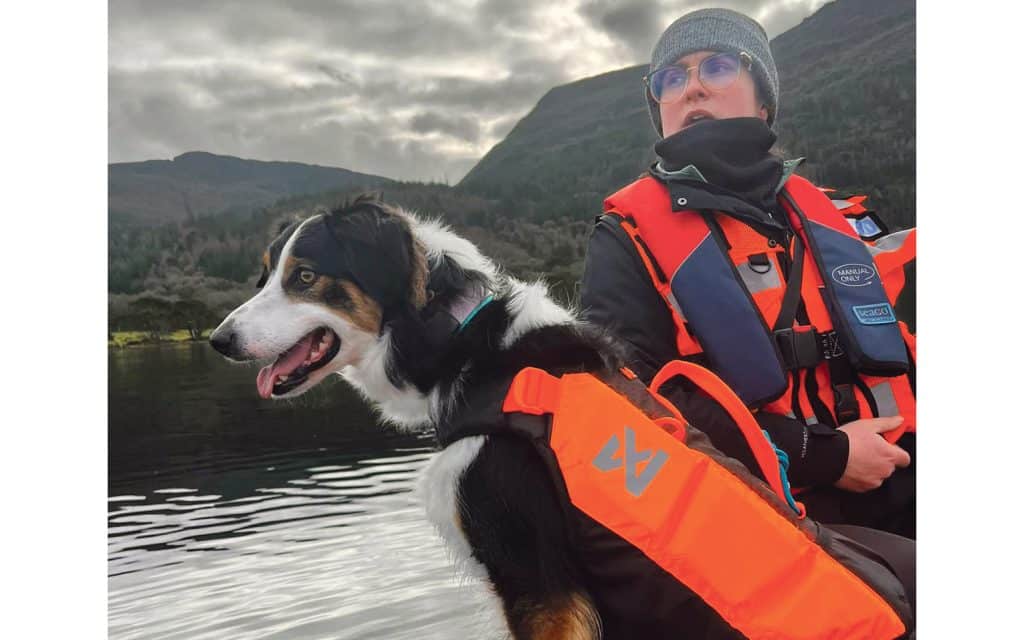


For more than 25 years, the West Cork Animal Welfare Group (WCAWG) has been dedicated to improving the lives of animals across the region. Since its inception, the organisation has helped rehome more than 8,000 animals, assisting an average of 300 to 400 pets every year in finding loving, permanent homes. Aoibhinn O’Sullivan, Kennel Staff at WCAWG, shares valuable advice on what prospective owners should know before welcoming a rescue animal into their family.
One of the most important things for prospective adopters to understand is that bringing home a rescue pet is a process that takes time. Whether it is a cat, dog, puppy or kitten, every animal needs an opportunity to settle into its new surroundings, become familiar with its environment and build trust with the people around it. Equally, families need time to get to know their new pet, including their personality, preferences, fears and individual quirks.
Patience and understanding are essential during this transition period. A move to a new home can be daunting for any animal, regardless of whether they have come directly from a previous home or from a kennel or cattery environment. Simply allowing a new pet the space and time to adjust, without overwhelming them, can make a significant difference in helping them feel secure.
Anyone considering adoption should also carefully think about the long-term commitment involved. Dogs and cats can often live for 15 years or more, depending on the breed, and owners need to be prepared for the responsibility that comes with caring for an animal throughout its lifetime.
Life circumstances can change over the years, with children growing up, moving away to college, changes in employment or family situations, but a pet remains dependent on its owners for care and stability. It is important that everyone in the household is fully committed to welcoming a new pet and understands the responsibilities involved, from feeding and exercise to training, grooming, cleaning and veterinary care. Financial costs, including unexpected vet bills, should also be considered before making the decision to adopt.
A useful guideline often referenced in rescue circles is the 3-3-3 rule, which helps explain how long it may take for a pet to settle into a new home. The first three days are typically spent decompressing after the stress of the move. During the first three weeks, the animal begins to learn household routines, become familiar with family members and gain confidence in its new surroundings. By three months, many pets are fully settled and feel at home.
While every animal is different and these timelines can vary, the 3-3-3 rule provides realistic expectations for adopters. Some pets may settle more quickly, while others require additional time depending on their background and previous experiences. Minor challenges during this adjustment period are common and should not be viewed as setbacks.
Consistency, routine and clear boundaries play a crucial role in helping both dogs and cats settle successfully. Establishing these routines from the very beginning helps create a sense of security and predictability, allowing the animal to understand what is expected of them.
When it comes to rescue dogs in particular, it is important to remember that every dog has a unique history. Some may have experienced neglect, abandonment or difficult circumstances, while others may have come from loving homes where owners could no longer care for them. Whatever their background, each dog deserves patience and understanding as they adapt to a new chapter in their lives.
Building a relationship with a rescue dog can sometimes be challenging, particularly in the early stages, but the rewards are immense. Watching a dog gain confidence, learn to trust and become a valued member of the family is one of the most rewarding aspects of rescue adoption.
Behind every successful adoption is a significant amount of work carried out by rescue organisations such as WCAWG. The centre is run by a small team of two staff members, supported by a dedicated group of volunteers and dog walkers who give their time to care for the animals. WCAWG also works closely with Transition Year students throughout the school year, providing valuable work placement opportunities.
The day-to-day reality of animal rescue involves far more than many people realise. Alongside feeding, cleaning, grooming, exercising and providing veterinary care, staff spend time socialising animals and helping prepare them for life in a new home.
Outside the kennels, the workload continues. The team responds to dozens of calls, emails and messages every day relating to adoptions, pet surrenders, lost and found animals, feral cat colonies and general pet care advice. Managing social media, updating supporters and completing the necessary administration and paperwork are also important aspects of the organisation’s work.
While the work can be demanding, seeing animals thrive in their new homes and receiving updates from adopters makes every effort worthwhile.
For more information, to make a donation or to fill out an adoption form go to www.westcorkanimals.com
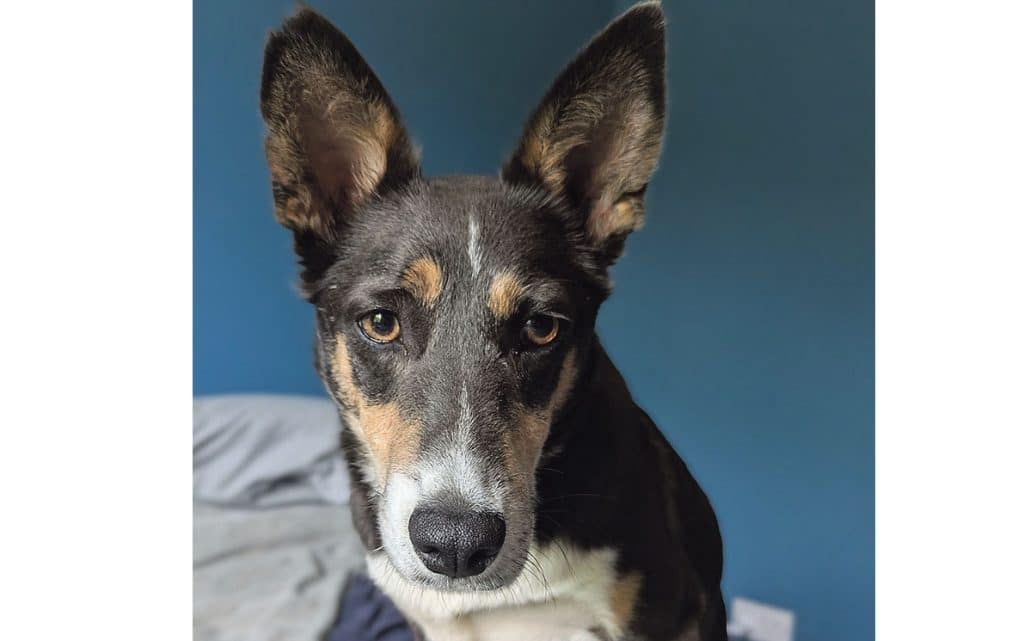
Initially found as a stray, Nell’s foster caregiver, Lauren Ingram, shares why Nell is so deserving of a good home with the right person.
This little sprite is dinky collie mix, maybe mostly Australian Kelpie. She’s so small, her ears are the largest part of her! She is gentle and loving and playful, with a teeny touch of cheekiness that adds to her overall charm.
A bit timid initially with new people, Nell is dying to bond with a person and presses into you for affection! She can be coy, in that she’ll only want to do something if it’s her idea but, as she’s very responsive to treats, this can easily be worked on with training and consistency.
The ideal home would be reasonably calm. She would be the perfect companion for an older person. She is fine with strangers and people but can be daunted by a lot of running around or noise.
Nell would do very well in an apartment or a rural setting. She would be fine as an only dog or with a very steady male companion. She does not like it when unknown dogs rush straight up to her, she prefers polite introductions. She walks gentle on lead and is very reliable off lead. Children 12-plus for Nell; she loves to play games and shake for treats so would love dog-savvy children around. She doesn’t pay much mind to cats.
If you would like to offer Nell a home, please read the Adoption Process on the West Cork Animal Welfare website (westcorkanimals.com) and apply using the Adoption Questionnaire.