


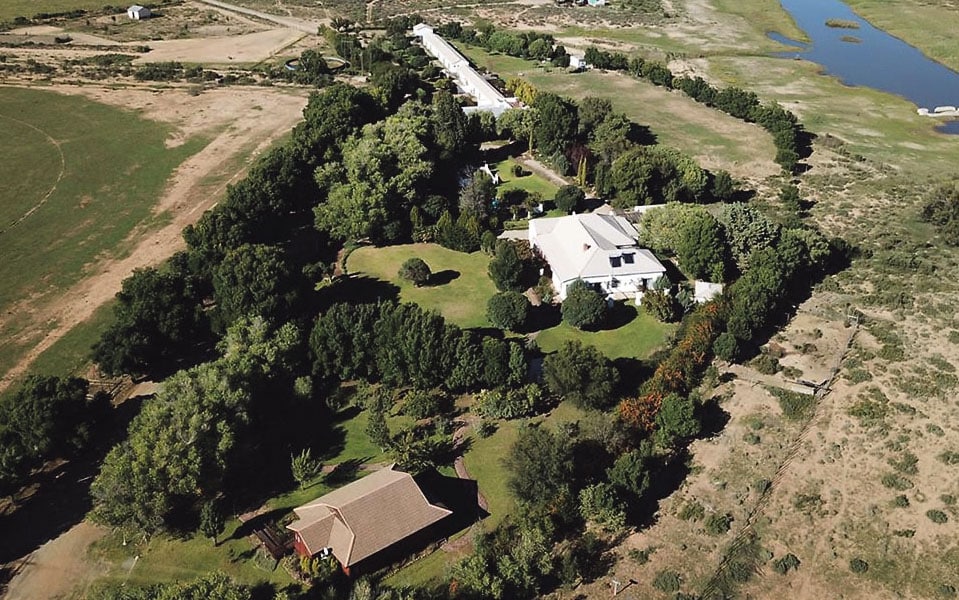
John Horton, warden of the Cape Clear Bird Observatory, describes how he spent much of the winter months of 2025/26 volunteering his expertise in the Karoo region of South Africa.
The culmination of two years’ work, in 2018, I successfully led an ambitious project to establish the first newly-accredited bird observatory for Britain and Ireland in decades on Alderney. This application is now used by the Bird Observatories Council (BOC) as the template for any other location aspiring to become one of these centres of ornithological excellence. Not a complete surprise then that I was tracked down by the owner of an extensive lodge and nature reserve in Africa with one question, “could you do it for us?”.
So, into the unknown, with an awful lot of boxes to tick, not least the marrying up of South African bird recording systems, getting all relevant authorities and organisations on board, and the promise of a fair bit of red tape in terms of permissions and permits ahead. I understandably did not overplay the chances of ending ten weeks in South Africa with a completed comprehensive framework document launching a Karoo Bird Observatory, but with no little effort and a ‘can-do’ attitude, alongside some fairly unorthodox bumps in the road, that is exactly what happened.
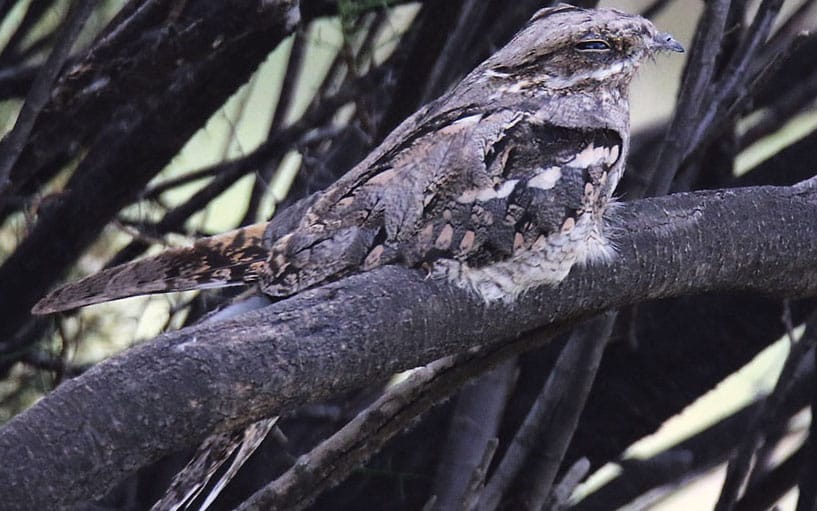
However, there were one or two considerations that you won’t encounter at an Irish bird observatory, definitely more Puff Adders and Cape Cobras and, when out completing survey work monitoring bird migration, be aware of hippos and African Buffalos, which all made for a rather more comprehensive health and safety assessment.
Setbacks were sometimes challenging, for example, whilst FEDEX appears to be the only freight operator in South Africa, they clearly face serious issues. A shipment of bird ringing equipment worth over €2,000, travelling to the Karoo from Poland, made it as far as Northern Cape (known for being South Africa’s safest province), at which point I received an email from FEDEX stating “We are very sorry to tell you that there will be a delay in the delivery of your package, our delivery van has been hijacked”. Whilst some of us might find such news shocking or even alarming, the local attitude was rather more relaxed and inclined to some shoulder shrugging about it.
It transpired that the New Holme Nature Lodge and reserve is one of the most important stopover locations for over-wintering sub-Saharan migrant birds in Southern Africa. Fast declining species familiar to our Irish gardens and nature reserves including Barn Swallows, Willow Warblers, Spotted Flycatchers, and Common Swifts overwinter in numbers at this birding hotspot of several thousand acres.
Moreover, my input exposed that an extraordinary 75 per cent of all Western Palearctic inter-continental migrant bird species ever recorded in South Africa have been spotted at this one site, strongly justifying the location as ideal for establishing a bird observatory. Add that it also has an excellent range of accommodation for guests and a dedicated research centre building.
Keen interest and support from stakeholders Birdlife South Africa, the African bird ringing scheme SAFRING, and donations from WorthWild Africa also greatly assisted with progress. The recording systems were incorporated into the dedicated national database SABMAP, daily bird census routes were identified and mapped out, lodge staff tasked with various activities and, slowly, but surely, the impossible looked like it could actually happen.
Whilst in situ, I also implemented moth trapping surveys, an area that has received very little effort in the Karoo. Attention was given to habitat management, minimising disturbance to birds in key areas and generally recording everything that runs, crawls, jumps, flies, swims, or slithers. Beyond this location being a spectacular oasis for almost 300 bird species, it is one of if not the best, location in South Africa to see rare mammal species such as the Black-footed cat, Aardvark, and Elephant Shrew. Reserve owner PC Ferriera is to be commended for his ongoing efforts in turning over thousands of acres of his family’s traditional farmland to wildlife, whilst beyond his property borders there is little consideration for the natural world or environment.
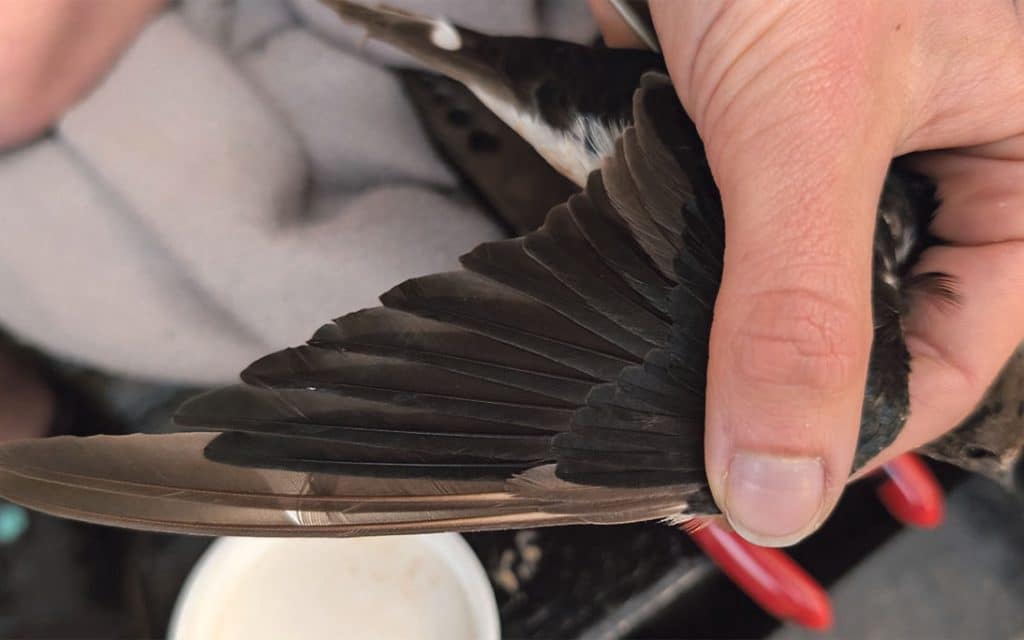
Whilst representing BirdWatch Ireland at the Global Bird Fair this summer, I announced during a presentation that in support of this concerted effort in Africa to help protect and research birdlife, BirdWatch Ireland have agreed to work towards ‘twinning’ Cape Clear Bird observatory with The Khoisan Karoo Bird Observatory, continuing to offer advice and support where possible.
In conclusion, the Karoo Bird Observatory is up and running, and it is exciting that other important locations for bird migration in South Africa have touched base with this project, keen to understand how they might begin working towards setting up the same. This could lead to a much-needed network of African observatories interacting and producing front-line data that may help us to understand, and even stem, the decline of so many of our long haul migratory species.
BirdWatch Ireland
West Cork Branch News
Our next events are:
September 20:
Cape Clear (Members only.)
October 11:
Migrants at Mizen Head.
Visit our website www.birdwatchirelandwestcork.ie for more information about these events. To receive news and reminders about our events join our mailing list by sending an email to [email protected].
f@BirdWatchIrelandWestCork
c@ birdwatch_ireland_west_cork