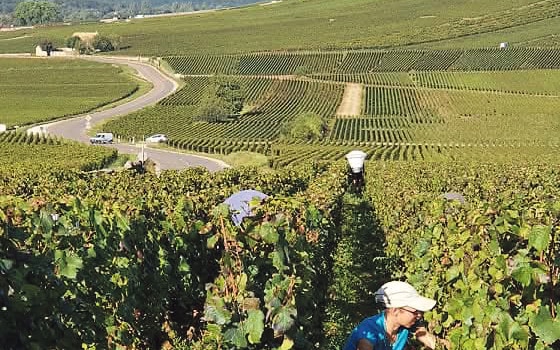


For me, like many of us, food and wine is an essential element of travel. In my case, wine plays a leading role. Apparently the ancient Romans had a similar outlook, some theorising that their empire extended only to the limits of where wine could be produced. This is not a historical fact, I might need to clarify it with the more qualified historians in this very paper!
Wine provides a perfect route for exploring, though. Our European neighbours have great diversity in their wine styles and regions, a path which leads to discovering more about a country’s food, history, language and culture.
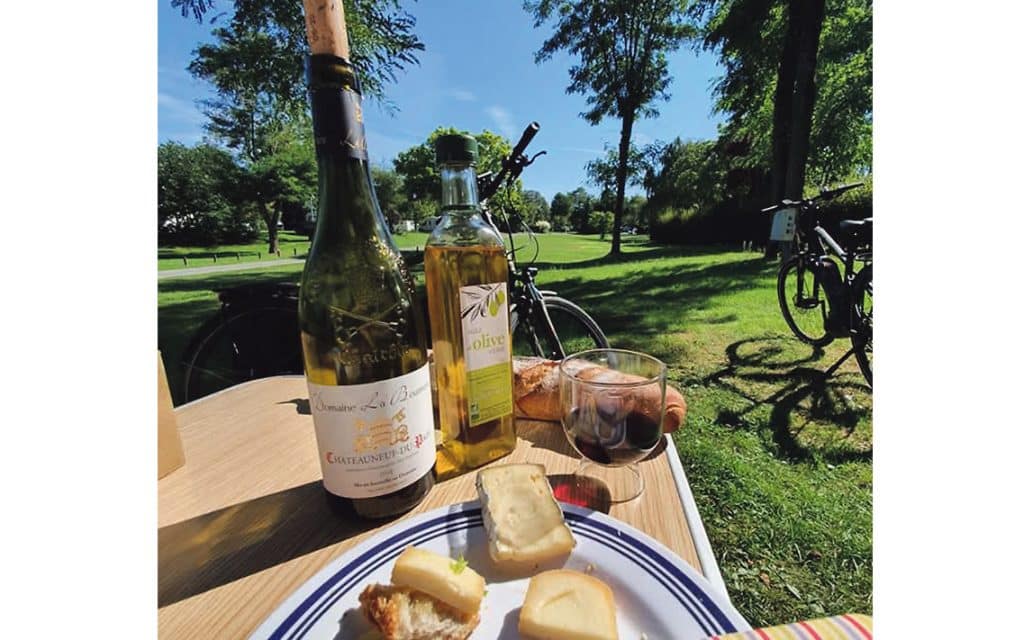
Travelling by car is the easiest way to explore wine country, as vineyards are usually outside of the main centres. That said, there are always tours into the heart of the wine regions which can be booked for a day trip, or a bike tour, though be careful on that bike after a few samples.
I love to see a hand-painted sign pointing down a farm track. This usually promises a more interesting experience than a swish, glass-fronted building in the centre of town. Here, you’ll meet the winemaker with her husband, sister and grandad, see where the vines grow, smell the fermenting juice in the cellar, and hear the story of the business, often going back generations. Many also offer agri-tourism, or ‘agriturismo’ in Italy – farm stays where you are immersed in the local food and wine, seeing the production all around you, whether vines, olive groves, vegetable gardens or farm animals.
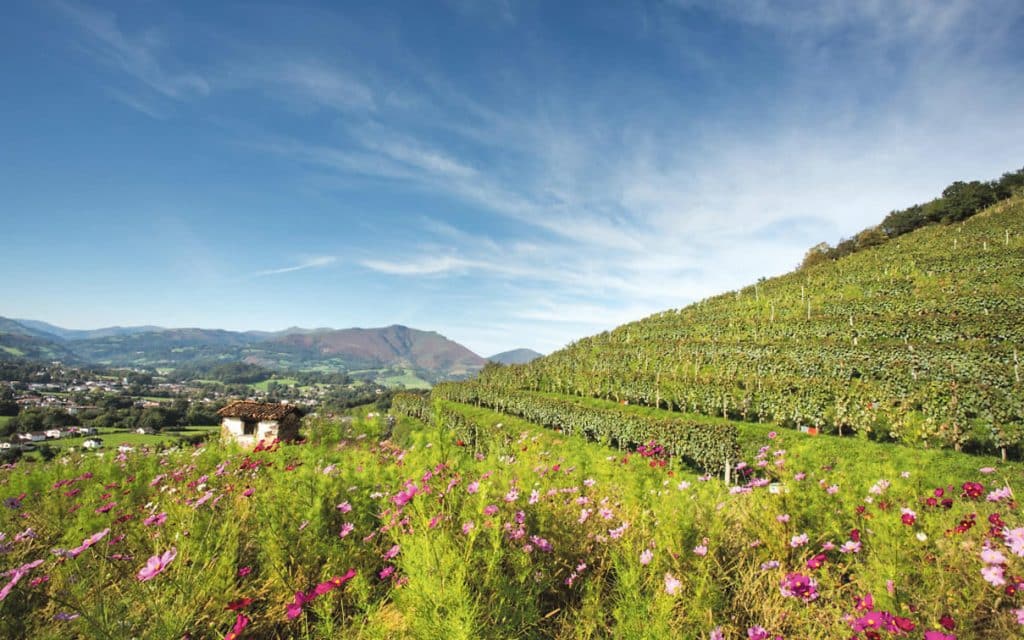
When we’re eating in restaurants on holiday, I always ask for the most local wine, which is generally the best wine to pair with the local food. It also regularly leads us on a journey. Last year, in Bayonne, the wine we were recommended was from Irouleguy, a tiny Basque wine region I had never heard of. I looked up the vineyard and called them, arranging a visit the next day. We travelled up into the foothills of the Pyrenees, to St. Jean Pied de Pont, a town milling with pilgrims starting the Camino de Santiago de Compostela. We tasted their wines surrounded by vines, were given chunks of a sister’s sheep’s cheese, and the spicy local Espellette pepper. We heard of the survival of their own language in the area, the winemaker’s children going to the Basque equivalent of the Gaelscoil in the town.
In north-east Italy, look out for a ‘Frasca’ sign on the side of the road. This will lead you to a farm which produces wine and serves simple snacks of cheese and salami. You’ll eat and drink outside at a wooden table, and meet the people who are producing your meal. It’s a delicious way to learn about the area, always discovering a new grape variety or method of production.
In Sardnia, we learned a valuable lesson. We hired bikes to cycle to a famous vineyard a few kilometres outside Alghero. The road was narrow and busy, the vineyard glossy and soulless. When we returned the bikes and told of our experience, the owner told us of a gorgeous small winery he would have recommended, reachable by an off-road cycle track. Now I know – ask the bike shop guy where to go, not Google.
I don’t think it’s a coincidence that the best food is found in the heart of the wine-producing regions. Vallidolid in northern Spain is close to many wine regions, producing a range of styles to please every wine lover. The food in the town is among the best in Spain, whether you graze on tapas or sit down for the works. You’ll drink wines by the glass from the region, and you are always rewarded by asking for a recommendation, rather than playing safe with the name you recognise.
Every region has its own distinct grape varieties, making a style of wine which reflects where it comes from. It is the best wine to drink with the food of the area, as they have grown up together over centuries. Markets are another great way of discovering local wines, as there are often a few local producers showing their wares. They are always keen to talk about the history of their farm, explain the different wine styles they produce, and the ideal food to go with their wine is found close by on the other market stalls.
Heading off in search of these small vineyards in remote places has led us to discover parts of the country we would otherwise have never found, and met people who gave us an insight into the heart and soul of the region.