


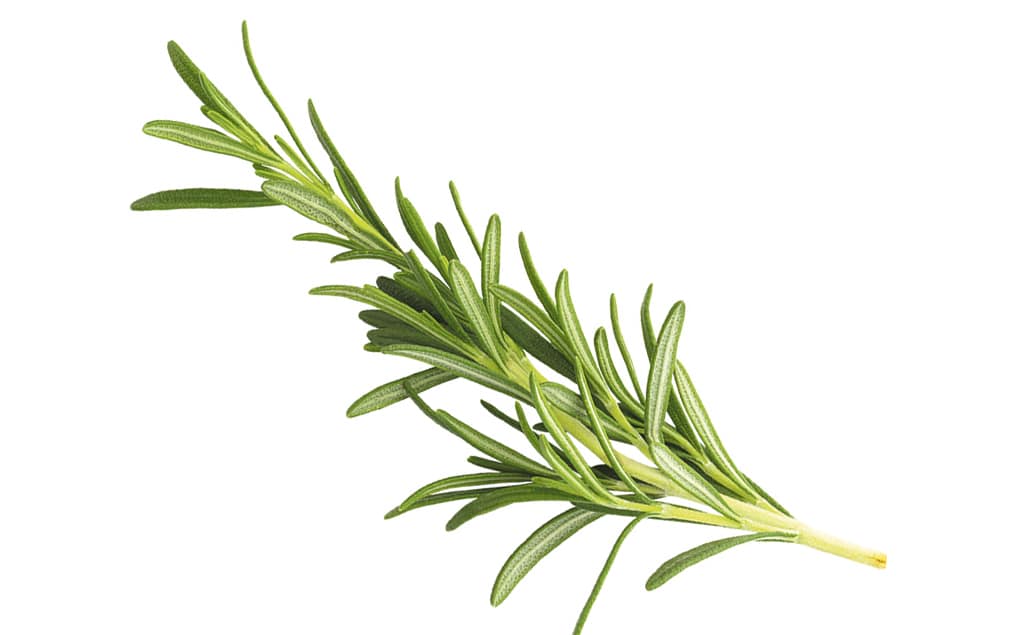
The profusion of flowers on rosemary bushes this year is a tonic to see. The bees love it and its perfume is quite intense. It is now called ‘Salvia Rosmarinus’ following DNA research which revealed it was much closer to sage than previously thought.
Rosemary earns a valuable place in the home herbal cabinet due to its long-established traditional use as a tonic for the circulatory, digestive and nervous systems. Modern research is confirming what tradition already knows.
Even though we don’t normally think of rosemary as an anti-inflammatory, its leaf and essential oil contain constituents that down-regulate inflammatory markers in the body.
Adding rosemary to a bath may help with mild muscle and joint pain after a day’s gardening, hiking, or other work.
One of the reasons rosemary is served with lamb is that lamb tends to be a fatty meat and likely to cause indigestion. Rosemary is anti-spasmodic on smooth muscle so helps to counteract the possibility of dyspepsia after eating this meat. In their monograph on rosemary the European Medicines Agency recognises this traditional use also saying that rosemary has traditional use of “symptomatic relief of dyspepsia and mild spasmodic disorders of the gastrointestinal tract.”
How to take it
Rosemary leaf tea is useful for feelings of fullness, flatulence and mild spasmodic gastrointestinal discomfort after eating and generally to stimulate appetite and digestion.
Historically, rosemary has also been used as a cardiac and “nerve” tonic and Its warming, aromatic quality made it a common household remedy in convalescence to “rekindle the fire” of digestion and circulation. It also improves peripheral circulation, especially for people with cold hands and feet.
Rosemary also has reputation for enhancing memory, “rosemary for remembrance” and in a randomised, doubleblind, placebocontrolled crossover trial in older adults (mean age 75), a single 750 mg dose of dried rosemary leaf powder improved “speed of memory,” whereas a 6,000 mg dose actually impaired performance, thus highlighting the importance of more does not mean better. The usual cup of tea, (about two grams of dried herb) once or twice a day is a far better and safer option.
Adding rosemary essential oil to a diffuser may also help maintain alertness while working at a desk but getting up and doing some exercises or walk-about every hour may be a better option.
Safety
While culinary use is widely regarded as safe, the EMA advises against topical rosemary oil medicinal products in pregnancy, breastfeeding, under-18s, and those with heart or kidney disease. Like any other herb, look to tradition where the usual use of rosemary was in cooking, as a gentle tea or a decoction added to a bath.