


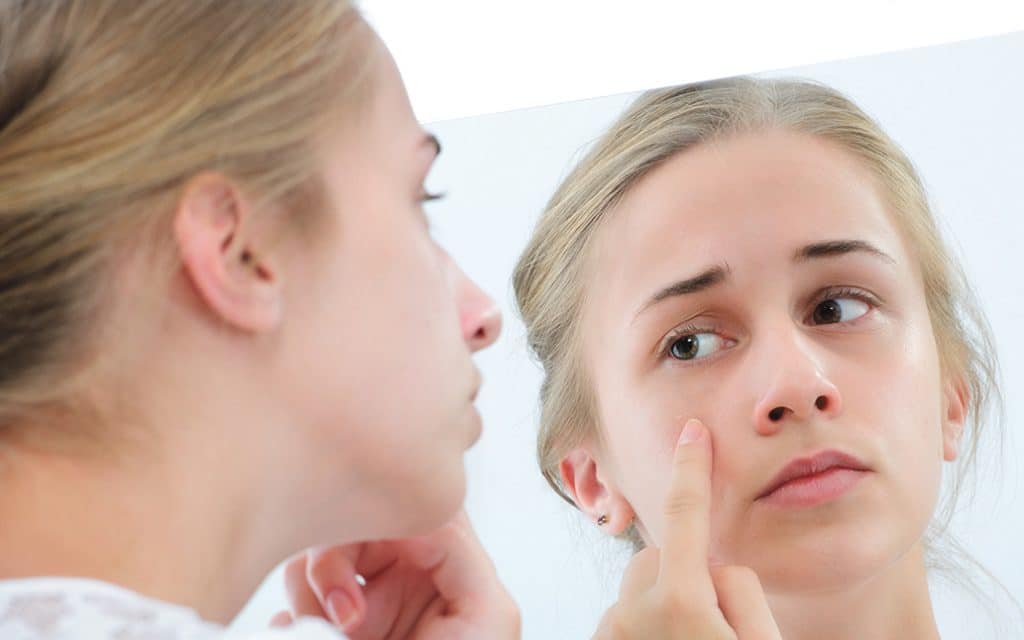
Cosmeticorexia is an emerging psychological pattern defined by an intense and persistent preoccupation with physical appearance, often driven by unrealistic beauty standards and amplified by constant exposure to curated digital imagery. While interest in appearance and self-care is a natural part of human behaviour, cosmeticorexia moves beyond this into a space where appearance becomes central to identity and self-worth. It is not simply about wanting to look good; it is about feeling that one must look a certain way to feel acceptable, valued, or even safe within social environments. In this sense, cosmeticorexia reflects a deeper internal struggle rather than a surface-level concern.
We increasingly observe that individuals caught in this pattern respond not to how they actually look, but to how they believe they should look. This distinction is important because it highlights the role of perception rather than reality. The internal experience is often characterised by dissatisfaction, comparison, and a constant sense of falling short. Even when changes are made, whether through grooming routines, cosmetic products, or aesthetic procedures, the relief tends to be temporary. A new perceived flaw quickly replaces the previous one, creating a cycle that is difficult to interrupt. The pursuit becomes endless, not because the desired outcome is physically unattainable, but because the internal standard keeps shifting.
At a psychological level, cosmeticorexia is closely linked to feelings of inadequacy, fear of judgement, and a fragile sense of self. The focus on appearance becomes a way of managing these feelings, offering a temporary sense of control. When life feels uncertain or emotionally overwhelming, the body can become a project – something to fix, refine, or perfect. However, this sense of control is often misleading. The more attention directed towards appearance, the more sensitive and critical the individual becomes, leading to increased dissatisfaction rather than resolution. What begins as an attempt to feel better can gradually turn into a source of distress in itself.
The role of social media in reinforcing cosmeticorexia cannot be overstated. We are now exposed to an unprecedented volume of images that present highly edited, filtered, and curated versions of reality. These images are often perceived as normal, even though they are far removed from everyday human experience. As individuals scroll through these representations, comparison becomes almost automatic. The mind begins to measure itself against an ideal that is not only unrealistic but constantly evolving. In this environment, appearance is not just observed; it is evaluated, ranked, and publicly validated. The number of likes, comments, and shares can become a proxy for worth, further embedding the belief that how one looks determines how one is valued.
Over time, this creates a powerful feedback loop. Exposure to idealised images leads to internal comparison, which generates dissatisfaction. This dissatisfaction then drives attempts to improve appearance, which may result in short-term validation. However, this validation is rarely stable, and the individual soon returns to a state of self-criticism. Each cycle reinforces the underlying belief that something is not quite right and needs to be fixed. The individual becomes increasingly focused on perceived flaws, often magnifying them beyond their actual significance.
Behaviourally, cosmeticorexia may present in a number of ways. Individuals may spend excessive amounts of time examining their appearance, taking photos, or adjusting specific features. Daily routines can become dominated by grooming, skincare, or makeup rituals, sometimes to the point where they interfere with other aspects of life. There may also be a growing reliance on cosmetic procedures or consultations, accompanied by extensive research into ways of altering or enhancing appearance. Emotionally, self-esteem becomes closely tied to how one looks on a given day. A minor imperfection can have a disproportionate impact on mood, leading to anxiety, frustration, or withdrawal from social situations.
Cosmeticorexia also shares common ground with other psychological conditions. It overlaps significantly with body dysmorphic tendencies, where individuals fixate on perceived flaws that may not be noticeable to others. It can also intersect with disordered eating patterns, particularly when body image becomes central to identity and control. In some cases, obsessive-compulsive features may emerge, with repetitive checking or corrective behaviours becoming difficult to resist. These connections highlight that cosmeticorexia is not a superficial concern but a complex and multifaceted issue that sits within a broader psychological context.
One of the most significant underlying themes in cosmeticorexia is the relationship between appearance and identity. Instead of developing a sense of self based on values, experiences, and relationships, identity becomes increasingly tied to how one is perceived externally. The question shifts from “Who am I?” to “How do I look?” This shift can create a fragile sense of self, as it relies heavily on external feedback and is vulnerable to change. If appearance becomes the primary source of validation, any perceived imperfection can feel like a threat to one’s overall sense of worth.
Teenagers are particularly vulnerable to this pattern, as they are in a stage of life where identity is still forming. Peer relationships and social acceptance carry significant weight, and the desire to belong can intensify the focus on appearance. When combined with exposure to idealised images and the pressure to present oneself in a certain way, cosmeticorexia can develop as an attempt to navigate these challenges. What may begin as curiosity about beauty or self-expression can gradually evolve into a more rigid and critical relationship with one’s appearance.
The long-term impact of cosmeticorexia can be profound. Emotionally, individuals may experience ongoing dissatisfaction, anxiety, and a diminished sense of self-worth. Behaviourally, significant time and financial resources may be directed towards maintaining or altering appearance, sometimes at the expense of other areas of life. Relationships can also be affected, as the focus on appearance may interfere with authentic connection. When self-worth is externally driven, it can become difficult to engage in relationships from a place of confidence and stability.
Addressing cosmeticorexia requires a shift in focus from external appearance to internal experience. This involves recognising that the urge to fix or change appearance is often linked to underlying emotions rather than actual physical flaws. Developing awareness of these emotional drivers can create space for a different response, one that does not immediately involve action or correction. It also involves challenging the patterns of comparison that are so deeply ingrained, particularly in digital environments. Reducing exposure to unrealistic content and questioning the assumptions it creates can help to weaken its influence over time.
Ultimately, cosmeticorexia reflects a broader cultural emphasis on appearance as a measure of value. It invites us to consider how identity is shaped and what we prioritise as a society. When appearance becomes the dominant lens through which we view ourselves and others, we risk losing sight of the qualities that make us fully human. Moving beyond this requires a rebalancing, where appearance is recognised as just one aspect of identity rather than its foundation. In doing so, we create the possibility for a more stable and authentic sense of self, one that is not dependent on constant adjustment or approval.