


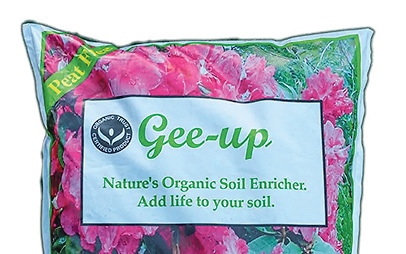
Gee-up from Blarney, Co. Cork, is excellent and widely available in garden outlets throughout Cork County.
Gardening By John Hosford
As April unfolds, the days are lengthening, and with the clocks having shifted forward to Summer Time at the end of March, we now enjoy those extra evening hours. This extended daylight offers a wonderful opportunity to catch up on various gardening tasks. There’s plenty to do this month, from seed sowing both indoors and outdoors to weeding, planting, and pruning.
Cut back evergreen shrubs
Start by cutting back evergreen shrubs. It’s an ideal time to prune Mediterranean shrubs such as lavender and rosemary; make sure to cut them back to healthy buds. Avoid trimming into old, lifeless wood, as this may not reshoot. Plants like Fatsia, Hebe, and Escallonia can benefit from a light trim, while Ceanothus, Choisya, Daphne, Mahonia, Rhododendrons, Camellias, Azaleas, and Sarcococca should be pruned after flowering, ideally in May or June.
Deadhead daffodils
Deadheading daffodils and other spring bulbs is essential after the flowers have faded. This practice diverts energy back into the bulbs, helping them bulk up for an even better display next year. If you have water lilies that have outgrown their space, now is the time to divide them. Carefully remove the plant and use a sharp knife to cut the root ball into sections, ensuring each has at least one shoot and some roots. Replant these sections into pond baskets filled with aquatic compost.
Feed trees, shrubs and perennials
Feeding trees, shrubs, and perennials is also crucial this month. Specialised feeds are available for lime-hating plants like Rhododendrons, Azaleas, Camellias, Skimmias, Sarcococca, and Kalmia, which will thrive with an application. Roses should also receive their monthly feed with a special rose fertiliser, followed by another application in May and June. When applying fertiliser, spread it out at a distance proportional to the height of the tree or bush, as roots typically expand to a distance equal to the plant’s height.
Vegetable garden
In the vegetable garden, sow peas in a sunny, sheltered position, planting them in a flat-bottomed trench about 5cm deep and 15cm wide, spacing them 7.5 cm apart in a single row or in two rows 30 cm apart. Remember to support them with robust wire netting. For potatoes, plant out second early and maincrop varieties, ensuring second earlies are set 30cm apart in rows 30cm apart and maincrops 37 cm apart. Earthing up first earlies protects the stems from cold weather and encourages more tubers to form. This process can be repeated as later varieties emerge above ground. Protect young crops with a double layer of extra-strength frost protection fleece, cloches, or cold frames.
You can also sow carrots and cabbages in prepared beds, covering them with fleece or insect-proof mesh to protect against carrot fly and cabbage white butterflies, whose larvae can devastate brassicas like cabbages, broccoli, and Brussels sprouts. Additionally, sow courgettes, vegetable marrows, pumpkins, squashes, cucumbers, melons, sweet corn, runner beans, and both bush and climbing French beans in 10 cm pots in a heated, frost-free area indoors. You can plant one seed per pot or two and select the strongest seedling once they emerge. These can be moved outdoors at the end of May or early June after hardening off.
Tomato plants can be planted in their fruiting quarters this month, whether in greenhouse soil, grow-bags, or large pots. Trailing varieties are perfect for hanging baskets or window boxes but must be kept frost-free.
Fruit garden
In the fruit garden, mulch raspberry canes with organic matter such as well-composted garden compost or stable manure. If those aren’t available, the excellent Gee-up from Blarney, Co. Cork, is a great substitute and widely available in garden outlets throughout Cork County. Indoors, geraniums, pelargoniums, fuchsias, and streptocarpus should now start receiving regular weekly liquid feeds. A seaweed-based fertiliser works well, and these plants should be fed weekly until early October to encourage healthy growth and blooming.
Citrus trees should begin receiving special citrus feed. Once the frost has passed at the end of May, they can be moved outdoors, provided they have drainage holes. Houseplants will require more frequent watering, and it’s best to stand them in a sink while watering, allowing them to drain without standing in water for more than 30 minutes.
April flowers
April also brings a delightful array of flowering plants. Bergenia showcases white, pink, and red flowers on glossy, leathery leaves and serves as excellent ground cover for early colour. Brunnera, with its green and variegated varieties, offers dainty blue flowers. The profuse blooms of crab apples are followed by attractive autumn fruit, while dogs tooth violets present low, clump-forming bulbs for shade. Dicentra spectabilis, or bleeding heart, boasts tall, elegant foliage.
Exochorda produces profuse white flowers, while Fritillaria persica captivates with purple spires of bloom, best planted as bulbs in autumn. Flowering cherries offer a stunning display of pink and white flowers, and some varieties feature attractive polished bark. Pulmonaria provides early colour in low-growing shades of blue, red, and white. Many rhododendron varieties will be in bloom this month, thriving in lime-free, ericaceous compost and benefiting from annual feed with a specific Rhododendron/Azalea fertiliser. Tulips will also be in flower, presenting a variety of colours, so remember to protect them from slugs.
For bedding and patio plants, containers, window boxes, and hanging baskets can now be planted and established in a greenhouse. Use fresh compost and include a slow-release fertiliser. Ensure window boxes have drainage outlets before planting.
Lastly, keep your lawn in check by mowing regularly, starting with the blades at their highest setting. Gradually lower the setting by the end of the month. Feed established lawns, aerate to rake out thatch, and give your lawn a spring feed. If you’re establishing new lawns, prepare the ground properly.
April is a vibrant month in the garden, full of opportunities to nurture and enjoy your plants.
Happy gardening!