


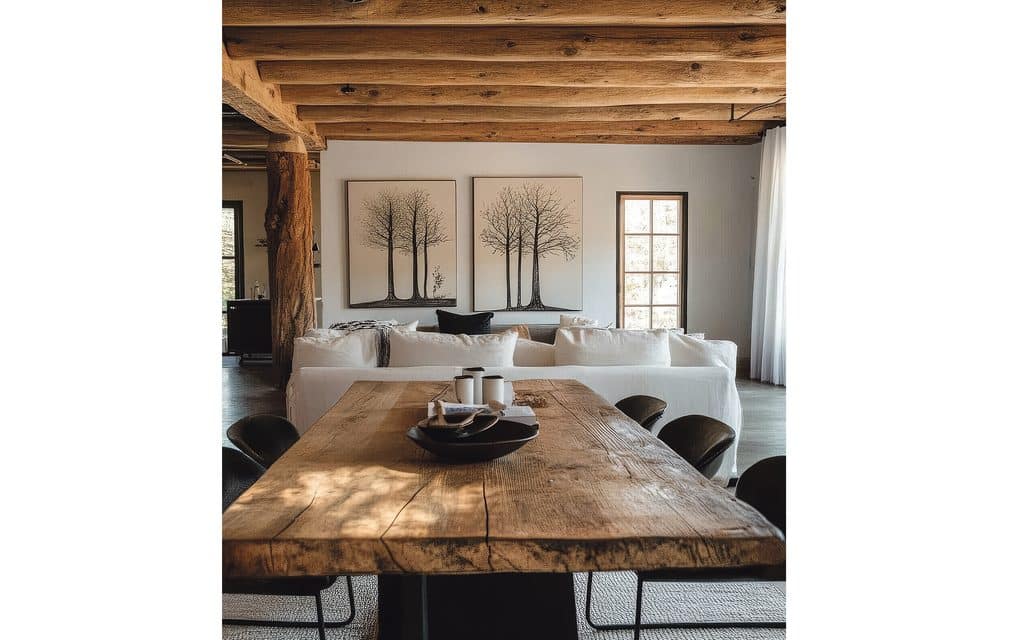
Creating a home that feels both visually exciting and deeply relaxing is one of the ultimate goals of interior design. Yet, many homeowners struggle to strike the right balance, ending up with spaces that either feel chaotic and overwhelming or overly matched, flat, and uninspiring. The secret to bridging this gap lies in understanding two fundamental design principles: harmony and contrast. When used intentionally, these twin principles transform a room from a simple collection of furniture into a cohesive, inviting sanctuary that reflects character, depth, and style.
Harmony is the element that binds a room together. It creates visual unity, flow, and a sense of calm by repeating complementary tones, shapes, or materials across a space. Without harmony, a room feels disjointed and restless.
Contrast is the dynamic counterpart that injects energy, personality, and visual interest. It draws the eye, prevents monotony, and highlights key features. Without contrast, even the most expensive room can feel sterile, clinical, or dull.
Achieving true design mastery isn’t about choosing between harmony or contrast, it is about layering them together so they balance each other out.
Harmony gives your mind a break by creating seamless visual connections throughout a room. You can achieve harmony by focusing on three key areas:
Tonal Cohesion: Stick to a thoughtful colour family or palette. Layering varying shades of similar tonal families, such as soft creams, chalky beige plaster, and warm travertine, creates a unified, serene atmosphere.
Material Flow: Repeat structural materials across different elements. If your room features rich timber floorboards, echo that warmth through a timber dining table or picture frames to tie the space together.
Form and Scale: Maintain a balanced rhythm in your furniture shapes. Repeating organic, curved silhouettes across seating, lighting, and decor creates a gentle, comfortable visual journey through the space.
Once you have established a harmonious foundation, contrast is what introduces visual intrigue and energy. Contrast can be achieved through several design layers:
Rough vs. Smooth: Pair opposing tactile surfaces. Position a rough-hewn, rustic wooden table alongside sleek dining chairs, or place a coarse linen sofa next to silk accent pillows.
Matte vs. Glossy: Play with how light reflects across your room. Combine chalky, matte plaster walls with polished marble surfaces or a lacquered coffee table to create subtle depth.
Hard vs. Soft: Balance hard architectural features, like stone fireplaces, metal window frames, or exposed brick, with soft, cocooning elements like plush wool rugs, heavy curtains, or upholstered seating.
Light vs. Dark: Use light and shadow to create focal points. Dark, knurled brass hardware or black metal frames against light, neutral walls instantly ground a space and define its layout.
If you’re ready to bring harmony and contrast into your living space, follow this simple design roadmap:
Define the Mood: Decide how you want the room to feel before selecting materials. Are you aiming for an earthy, relaxed sanctuary or a crisp, tailored environment?
Audit Your Fixed Anchors: Take stock of permanent architectural features you cannot easily change, such as a stone fireplace, stained flooring, or metal window frames. Use these existing textures and finishes as your baseline.
Build a Physical Mood Board: Gather fabric swatches, paint chips, wood samples, stone tiles, and hardware finishes. Lay them out together under natural light to see how their tones and textures interact.
Prioritise Functionality: Ensure your choices match how you live day-to-day. High-traffic living areas need forgiving, durable finishes like performance weaves or aged leather, whereas lower-traffic rooms can indulge in delicate fabrics.
Add Unexpected Touches: Look for creative ways to introduce subtle contrast, such as fluted wood detailing on flat cabinetry, a silk velvet cushion against a natural linen upholstered chair or sofa or woven rattan lampshades that cast textured shadows across smooth walls.
By intentionally balancing harmonious foundations with dynamic contrast, you create a home that feels thoughtfully curated over time, visually compelling, perfectly balanced, and effortlessly inviting every day of the year.
Mairead Collier creates refined, bespoke luxury homes for private clients across Ireland, London, and the USA, fully managed from concept to completion. maireadscollierinteriors.com