


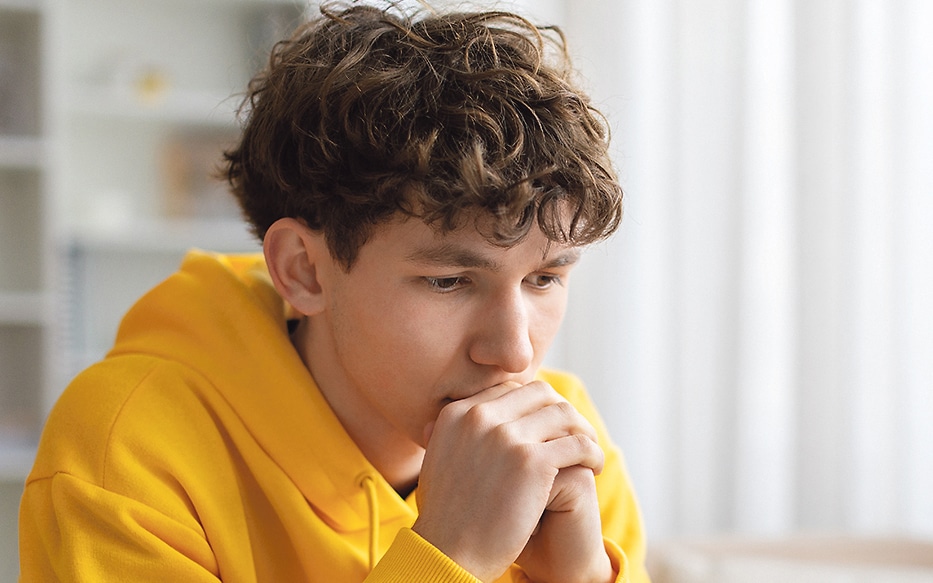
As parents, it can sometimes feel as though our sons become strangers almost overnight. The child who once told us everything suddenly retreats behind closed doors, shrugs in response to questions, and insists that everything is “fine”. Many parents assume this is simply part of being a teenager, and to some extent it is. Adolescence is a time of growing independence, changing identities, and increasing privacy. But beneath the silence, many teenage boys are carrying far more than they let on.
One of the biggest misconceptions about teenage boys is that they do not feel as deeply as others. In reality, many boys experience the same worries, fears, insecurities, and emotional struggles as girls. The difference is often in how those feelings are expressed. While some teenagers openly talk about their emotions, many boys have learned from a young age that vulnerability can feel risky. They may worry about being judged, appearing weak, or becoming the target of teasing. As a result, they often keep their struggles hidden.
Many teenage boys are feeling lonely, even when they are surrounded by friends. They may spend hours gaming online, chatting in group messages, or socialising at school, yet still feel disconnected. Having people around is not the same as feeling understood. Some boys have friendships built around shared activities but lack opportunities for deeper conversations about what is really going on in their lives. They may desperately want support but have no idea how to ask for it.
Anxiety is another feeling many boys struggle to put into words. Parents often imagine anxiety as constant worrying or panic attacks, but for boys it can look very different. It may show up as irritability, avoidance, procrastination, anger, or a refusal to engage with schoolwork. Behind the apparent laziness or lack of motivation, there may be a teenager who feels overwhelmed by expectations and terrified of failing. Many boys worry about exams, friendships, relationships, their future careers, and whether they are measuring up to the standards they see around them.
Body image is another hidden struggle. Although body image concerns are often associated with girls, many boys are quietly comparing themselves to others. They worry about their height, weight, muscle size, appearance, skin, and athletic ability. Social media has intensified these pressures. Teenagers are constantly exposed to carefully edited images and unrealistic expectations about what it means to be attractive, successful, or masculine. Many boys never talk about these insecurities, choosing instead to suffer in silence.
Perhaps one of the most misunderstood emotions in teenage boys is sadness. When adults imagine sadness, they often picture tears, withdrawal, or openly expressing pain. For boys, sadness frequently disguises itself as anger. A teenager who seems argumentative, defiant, or disrespectful may actually be struggling with feelings of rejection, shame, disappointment, or hurt. Anger often feels safer because it provides a sense of control. It is easier to say “leave me alone” than to admit “I feel lonely”. It is easier to slam a door than to explain “I feel like I am not good enough”.
Parents often tell me they wish their teenage son would simply talk. The challenge is that many boys do not have the language for what they are experiencing. Emotional awareness is a skill that develops over time. If a teenager has never been encouraged to identify and express emotions, he may genuinely struggle to explain what is happening inside. When asked how he feels, “I don’t know” is often a truthful answer rather than an attempt to avoid the conversation.
This is why behaviour is often a form of communication. A drop in motivation, changes in sleep patterns, increased anger, withdrawal from family activities, excessive time online, or sudden risk-taking behaviour can all be signals that something deeper is happening. Rather than focusing solely on the behaviour itself, it can be helpful to become curious about what might be driving it.
One mistake many well-meaning adults make is turning every conversation into a serious discussion. Teenage boys often respond better to connection that feels natural and low-pressure. Some of the most meaningful conversations happen while driving, walking the dog, cooking dinner, kicking a football, or working on a project together. These side-by-side moments can feel safer than sitting face-to-face and being asked direct questions about feelings.
It is also important for parents to remember that independence does not eliminate a teenager’s need for connection. Many boys still want reassurance, affection, and emotional support, even if they no longer show it in obvious ways. They may roll their eyes at expressions of love, but they still need to know that someone is there for them. They may reject help one moment and seek comfort the next. This push-and-pull is a normal part of adolescence.
What teenage boys need most is permission to be fully human. They need to know that strength and vulnerability can exist together. They need to understand that feeling anxious, sad, lonely, confused, or scared does not make them weak. It makes them human. They need adults who can set clear boundaries while also showing compassion, adults who can listen without immediately judging, fixing, or lecturing.
Many boys are carrying emotions they do not yet know how to express. Behind the sarcasm, silence, anger, or apparent indifference, there is often a young person trying to make sense of a rapidly changing world and his place within it. When parents can look beyond the behaviour and focus on the feelings underneath, they create the conditions for trust, connection, and meaningful conversations.
The teenage years can be challenging for both parents and children. Yet they also provide an opportunity to build a relationship that goes deeper than rules and expectations. By staying present, remaining curious, and offering consistent support, parents can help their sons learn one of life’s most important lessons: that they do not have to carry their struggles alone.