


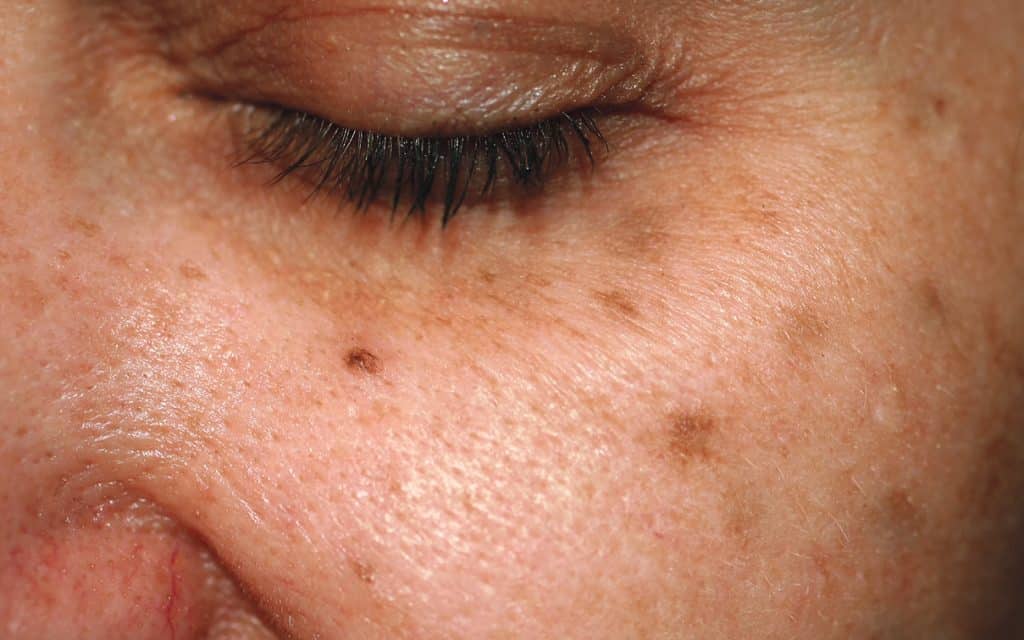
We live in one of the most beautiful corners of Ireland, and from the first glimpse of blue sky, we make the most of it. Gardening, the beach, walking Galley Head or Mizen Peninsula — outdoor life is part of who we are here in West Cork. But decades of casual sun exposure, those holiday sunburns we’ve long forgotten, and even the everyday UV that filters through car windows, all leave their mark on our skin. The good news is that modern aesthetic medicine has never been better equipped to address that damage, and to stop it getting worse.
Ultraviolet radiation comes in two main forms that reach us on the ground: UVA and UVB. UVB is the ‘burning’ ray — responsible for the red, sore skin after a day at Barleycove. UVA penetrates deeper into the dermis, breaking down collagen and elastin, and is present year-round, even on overcast days. Both cause DNA damage in skin cells, and that damage accumulates silently over a lifetime.
The visible consequences show up years, sometimes decades later, and include: pigmentation and dark spots, uneven skin tone and a dull, leathery texture, fine lines and deeper wrinkles, dilated capillaries and redness (telangiectasia), a crepey appearance on the décolletage and backs of hands, and finally precancerous and cancerous skin lesions.
Skin cancer is the more serious side of sun damage.
Ireland has one of the highest rates of melanoma in Europe — a fact that still surprises many people given our famously grey skies. But our culture of making the most of every sunny day, combined with historically low awareness of sun protection and the high proportion of fair, freckled skin tones in our population, has created a perfect storm.
The three main forms of skin cancer are basal cell carcinoma (BCC), squamous cell carcinoma (SCC), and melanoma. BCC and SCC are the most common and, when caught early, highly treatable. Melanoma is rarer but far more dangerous if it spreads. All three are linked to cumulative UV exposure and episodes of sunburn, particularly in childhood and early adulthood.
Know your ABCDEs: when checking moles and spots, watch for Asymmetry, irregular Border, uneven Colour, a Diameter larger than 6mm, and any Evolution or change over time. If you notice any of these, see your GP promptly.
The most effective thing you can do for your skin, at any age, is wear broad-spectrum SPF 30 or higher every single day. Rain, wind, or shine. Studies consistently show that daily sunscreen use reduces the risk of melanoma by around 50 percent, halves the risk of squamous cell carcinoma, and measurably slows the visible signs of skin ageing. No serum, treatment, or procedure comes close to those numbers.
There are two categories of SPF: chemical and mineral. Chemical sunscreens absorb UV rays and convert them to heat. Mineral sunscreens – containing zinc oxide and/or titanium dioxide – sit on top of the skin and physically reflect UV light away before it can penetrate. Both are good options but if you suffer from pigmentation, rosacea or acne then mineral SPFs are generally better. Mineral is also often better tolerated if you find SPF irritates your eyes. You must reapply SPF throughout the day, so what I often advise is to use a cream SPF in the morning but to carry an invisible spray with you in your bag or the car and then you can reapply this throughout the day.
Treatments
Once you have your daily SPF in place, professional treatments can make a remarkable difference to skin that has accumulated years of sun damage. The right approach depends on your skin type, the nature of the damage, and your downtime tolerance. A thorough consultation with a qualified practitioner is always the starting point.
Intense Pulsed Light (IPL) uses broad-spectrum light energy to target specific chromophores in the skin – the melanin in pigmented spots and the haemoglobin in broken capillaries and redness. It is one of the most effective treatments available for the classic sun-damaged complexion: uneven tone, scattered brown spots, and a ruddy or blotchy appearance. A course of three to six sessions, spaced three to four weeks apart, can result in a dramatic evening of skin tone and a brighter, more youthful overall appearance. IPL also stimulates collagen production, providing a secondary benefit of improved texture. It is best suited to lighter skin tones.
Fractional laser treatments – including CO2 and Er:YAG lasers – work by creating thousands of microscopic injury channels in the skin, stimulating the body’s natural healing response and encouraging the production of new collagen and elastin. The result is smoother, firmer skin with reduced fine lines, improved texture, and a more even tone. Ablative fractional treatments offer significant results for deeper sun damage and wrinkles but come with several days of downtime as the skin heals. Resurfacing is also particularly effective for crepey skin on the neck and décolletage as well as the hands.
Professional chemical peels use acids – such as glycolic, lactic, salicylic, trichloroacetic acid (TCA), or combinations thereof – to remove damaged outer layers of skin and stimulate cell turnover. Superficial peels (such as low-percentage glycolic or lactic acid) cause minimal peeling and require no downtime, making them ideal for a series of monthly maintenance treatments to brighten skin and address mild pigmentation. Medium-depth peels using TCA penetrate further and can produce significant improvements in pigmentation, fine lines, and textural irregularities.
Microneedling (also known as collagen induction therapy) uses fine needles to create controlled micro-injuries in the skin, triggering collagen and elastin synthesis. When combined with exosomes, the results are amplified. It is particularly well suited to improving overall skin quality, fine lines, mild to moderate laxity, and post-inflammatory marks. Microneedling is suitable for a wider range of skin tones than some laser treatments, making it a versatile option.
For stubborn pigmentation – particularly melasma, which is notoriously difficult to treat – a combination approach typically yields the best results. This might include topical prescription-grade ingredients such as azelaic acid, kojic acid, tranexamic acid, or retinoids used at home, alongside in-clinic treatments such as IPL, peels, or mesotherapy with brightening agents. The non-negotiable foundation of any pigmentation programme is daily mineral SPF. Without it, the melanocytes that have been stimulated to over-produce will simply redouble their efforts the moment UV hits the skin, and hard-won results fade within weeks.
A question that comes up frequently in consultations is: ‘Is it too late for me to do anything about this?’ The answer is a firm no. The skin has a remarkable capacity for renewal. Even patients in their sixties and seventies see meaningful improvement with consistent SPF use and targeted treatments. That said, the best outcomes are achieved through a preventive mindset: building daily sun protection into your routine now, regardless of age, and addressing accumulated damage progressively over a course of treatments rather than looking for a single dramatic fix.
The autumn and winter months are ideal for beginning a treatment programme, as lower UV levels during recovery reduce the risk of post-inflammatory pigmentation and allow more aggressive treatments to be used safely. Many patients use the quieter months to complete a course of peels or resurfacing before the summer, emerging with refreshed, more even skin just in time to protect it all over again.