

Hair loss can happen for a variety of reasons, as herbalist Rosarie Kingston explains, looking at the different types of hair loss and approaches to preventing or treating this condition
Alopecia is the medical term for hair loss, and it can occur due to family history, autoimmune conditions, hormonal changes, lack of certain nutrients in the diet, some medications, scalp problems, and stress. It is often more helpful to think of alopecia as a sign that something else is going on in the body, rather than one single condition, because the way the hair falls out can point to different underlying causes.
Hair grows in a repeating cycle with three main stages: a growing phase (anagen), a short transition phase (catagen), and a resting phase (telogen) during which the hair stops growing and eventually sheds. After shedding, the follicle rests for a while before starting a new growing phase and producing a fresh hair strand. If there is a disruption in this cycle we get hair loss.
The most common type of long-term hair loss is called androgenetic alopecia, often known as female-pattern or male-pattern hair loss. This type runs in families and gets worse slowly over time. It is the kind of thinning that many women notice as they get older.
Another common type is alopecia areata, where the body’s immune system mistakenly attacks the hair follicles, leading to patchy hair loss. Hair can also shed more than usual after an illness, very high stress, childbirth, surgery, rapid weight loss, or if there are low levels of iron, zinc, vitamin D, or B vitamins.
Hormonal changes are another major cause, especially during pregnancy and menopause. Certain medicines, scalp infections, very tight hairstyles, and harsh hair treatments can also weaken the hair follicles and lead to shedding.
Oestrogen plays an important role in keeping our hair healthy by helping it stay in its growing phase for longer. When oestrogen levels drop, hair can begin to shed more easily and may take longer to grow back. This is why many women notice thinning hair during times of hormonal change, such as after childbirth or during menopause.
During menopause in particular, the hair follicles (which produce each strand of hair) are quite sensitive to changes in oestrogen. Lower levels can affect not just how much hair grows, but also its thickness and texture. However, it is not always as simple as ‘low oestrogen’ causing hair loss. In some women, hair follicles are more sensitive to other hormones called androgens, even when these hormone levels are within a normal range. This means that hair thinning can also be influenced by genetics and how the body responds to its hormones, which is why blood tests do not always show a clear cause.
Stress can lead to hair loss in two main ways. First, it can trigger a condition called telogen effluvium, where many hairs move into the resting phase too soon and then fall out a few months later. Second, stress may help bring on alopecia areata in people who are already prone to it, possibly by affecting how the immune system and inflammation work.
This does not mean stress is always the only cause. More often, it acts as a trigger on top of something else already going on, such as a family tendency, hormonal changes, illness, or a lack of certain nutrients. In everyday terms, stress can ‘tip’ the hair cycle out of balance, because the tiny structures that grow our hair are very sensitive to what is happening inside the body.
Nutrition is important because hair grows quickly and needs protein, iron, zinc, vitamin D, and several B vitamins to build strong strands. If these nutrients are low, hair can become thinner, more brittle, or fall out more easily. A Mediterranean-style diet, enough protein in the diet, and fixing any confirmed nutrient shortages are often the most sensible place to start if you notice hair thinning.
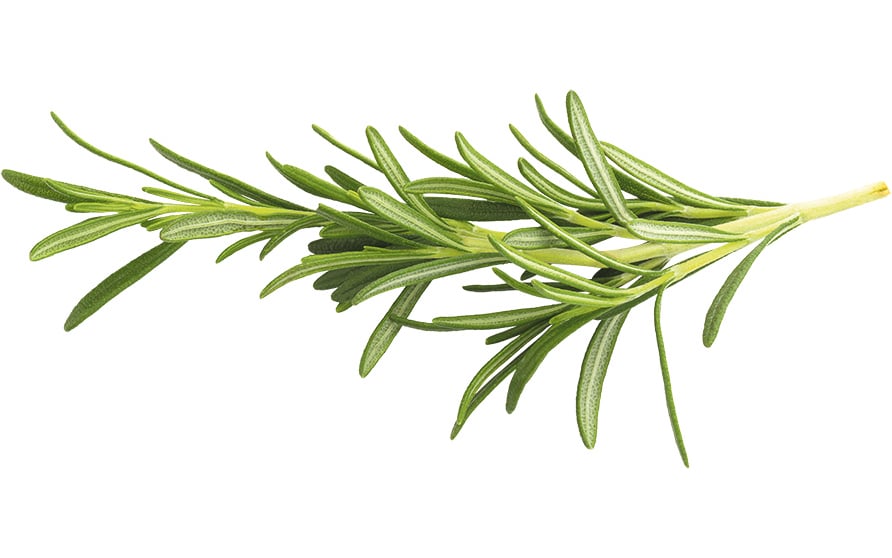
Among herbs and plant oils, rosemary is one of the better-known options, with studies suggesting it may support hair growth through its anti-inflammatory and antioxidant actions. Pumpkin seed oil is another promising remedy, with clinical and preclinical evidence in pattern hair loss, possibly through effects on 5-alpha-reductase and support for the hair follicle. Nettle and horsetail (equisetum) are also traditionally valued for hair health, as they are rich in minerals that support strong, resilient hair.
For rosemary, a simple and effective use is as a rinse: simmer a handful of dried rosemary in water for 15-20 minutes, strain, and use the cooled liquid as a final rinse after washing your hair. Pumpkin seed oil is best taken internally, typically as a supplement (following the dose on the product label). Nettle can be used as a daily tea (steeping dried nettle leaves in hot water) or as a rinse made from a strong infusion. Horsetail is most commonly taken as a tea or tincture, though it can also be used as a rinse. Do not plant horsetail in your garden. It is very invasive and will take over in a short space of time.
The best approach really depends on what’s causing the hair loss. If you’re noticing sudden shedding after a period of stress, illness, or a big life change, it often improves on its own once that trigger settles down. On the other hand, pattern hair loss and autoimmune-type alopecia usually need a more targeted plan.
If hair loss is ongoing, it’s sensible to take a close look at things like your iron levels, thyroid function, vitamin D, zinc, your diet, any medications you’re on, and whether you’re going through menstrual or menopausal changes, or showing signs of an autoimmune condition.
A realistic approach might include fixing any nutrient shortages, easing up on stress where possible, using well-studied herbs like rosemary or pumpkin seed oil, and addressing any hormonal or medical factors at play. This kind of combined approach is often far more helpful than focusing on just one cause.