


by John Hosford
As we move into May, we hope the days are finally warming up, but gardeners must remain vigilant. Beware of cold nights early in the month. While those living near the coast may have seen the last of the frosts, venturing just five or eight miles inland can bring you into contact with late seasonal freezes. Always keep a watchful eye on the forecast and keep frost protection fleece, cloches, or cold frames ready to protect your tender plants.
Watering
Preparation for drier days is essential this month. Install taps in strategic locations, particularly in or adjacent to your greenhouse, cloches, and frames, as well as near hanging baskets, window boxes, and patio containers. For those with numerous containers or recent plantings, an automated watering system with a time clock is a worthwhile investment, especially if you plan to be away for prolonged periods.
To manage resources effectively, conserve and store water in water butts. Mulching beds and borders with bark mulch or well-composted farmyard or stable manure will further conserve moisture and suppress weeds. If you cannot source manure locally, consider ‘Gee-up’, made in Blarney, Co. Cork. When sourcing any manure, ensure it is free from weed seeds or roots.
Vegetables
May is a busy month for both indoor and outdoor sowing. If you have not yet started courgettes, pumpkins, squashes, vegetable marrows, sweet corn, runner beans, or French beans, these may be sown indoors early this month. Sowing seeds individually in 9-12cm biodegradable pots helps cut down on waste and minimises transplanting shock. These can be planted out at the end of the month or in early June once they have been thoroughly hardened-off.
Continue successional sowing of beetroot, cabbage, carrots, salad onions, lettuce, radishes, swedes, and turnips outdoors, sowing thinly in well-prepared soil. Celery can be planted out towards the end of the month, while cauliflower and broccoli should be sown now for a spring 2027 harvest.
Brussels sprouts can be moved into their final cropping quarters now, spaced 90cm apart with 90cm between rows. As they occupy space for a long period, you can optimise the ground by intercropping with quick-maturing crops like lettuce, radishes, or kohl rabi. Protect sprouts against cabbage root fly by placing cabbage collars around the neck of the plants immediately after planting. In autumn, ensure they are supported with robust stakes to prevent wind rock, and use Enviromesh to deter caterpillars and pigeons.
Fruit
To ensure a clean harvest, tuck straw under strawberries to protect the fruits from rotting and to prevent soil splashing onto them. Newly planted fruit trees and bushes require consistent watering during dry spells. Additionally, currants, gooseberries, raspberries, and loganberries will benefit greatly from an application of well-rotted farmyard manure, garden compost, or spent mushroom compost.
Under Cover
Now is the time to plant up hanging baskets and containers, keeping them indoors and frost-free until the end of the month. Gradually acclimatise them to the outdoors as they establish. Bedding plants, geraniums, and fuchsias should also be hardened off in preparation for summer displays.
Tomatoes, peppers, cucumbers, and aubergines are ready for larger pots or grow bags. Opt for the deepest grow bags available, as shallow versions dry out too quickly. Ensure plants are not crowded, as proper spacing reduces the risk of disease, mould, and pests. Cordon tomatoes require regular tying and side-shooting; snap off small shoots with your thumb and forefinger, or use a sharp, disinfected knife for larger ones to prevent the spread of viral diseases.
Glasshouse management is crucial as temperatures rise. Apply shading using a wash or fit roller blinds to the exterior. Alternatively, fine mesh netting can be used on sunny days. Morning watering and ‘damping down’ paths will increase humidity and discourage red spider mites. Weekly feeding with an organic seaweed-based fertiliser is recommended for all indoor and container plants. For a unique touch, plant ‘Tumbling Tom’ tomatoes or cascading herbs in hanging baskets.
Keep a sharp lookout for pests such as whitefly, greenfly, vine weevil, and lily beetles. Lily beetles are easily identified by their bright red colour and should be removed by hand to prevent damage to leaves and flowers. Biological controls for various pests can be sourced from Mr. Middleton in Dublin or Fruit Hill Farm in Bantry.
Lawns
Mow established lawns regularly and apply feed if you have not already done so. Any remaining tasks for sowing new lawns should be completed early this month to allow for establishment before the peak heat of summer.
Hardy Annuals
Sow hardy annuals in informal drifts for a natural look. In one-sided borders, position taller varieties at the back, tapering down to the front; for island beds, place the tallest plants in the centre. Avoid making the soil too rich, as this can encourage foliage at the expense of flowers.
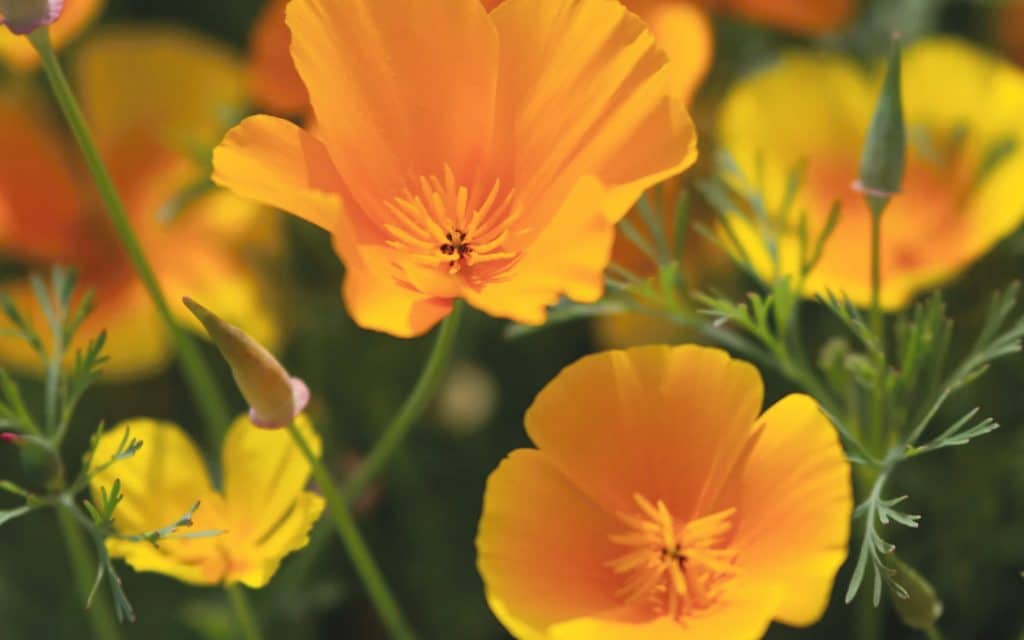
Excellent varieties for May sowing include Eschscholzia (Californian poppy), Limnanthes (Scrambled Eggs), Nigella, Calendula, and Nasturtiums. Echium ‘Blue Bedder’ is particularly attractive to bees, while others like Orlaya, Ammi, and Poppy “Ladybird” provide wonderful texture and colour.
Chelsea Flower Show
A true highlight of the gardening calendar, the Chelsea Flower Show takes place this year from May 19-23 in the grounds of The Royal Hospital, Chelsea. For those unable to attend in person, the BBC provides extensive coverage, offering a wonderful insight into the world-class show gardens and floral displays.