


By Aileen Slein
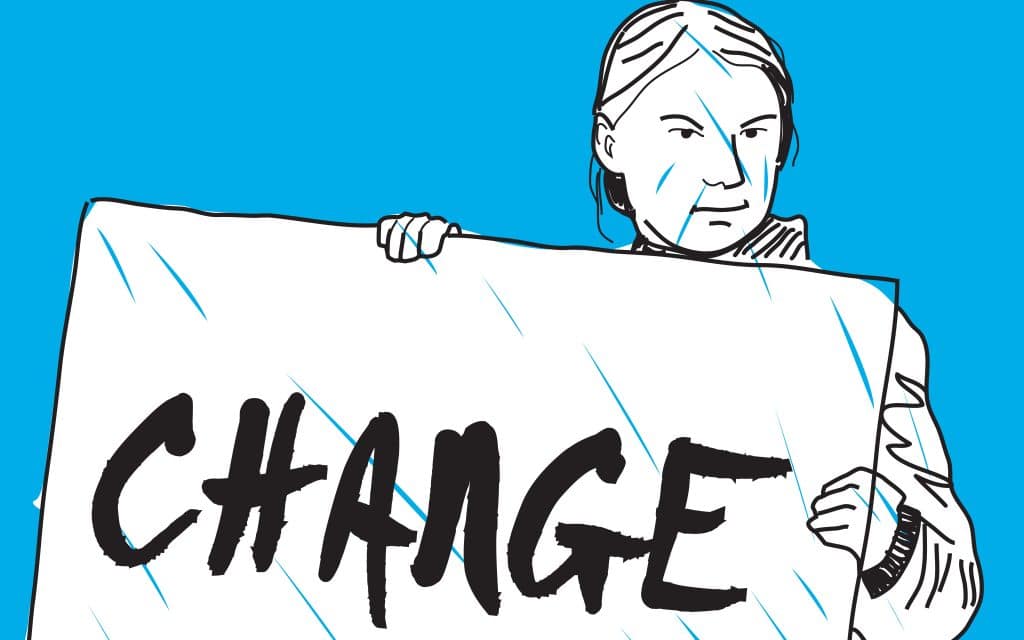
As a neurodivergent person, my sense of justice is not a quiet preference. It is not a polite opinion I can fold neatly away. It burns steadily within me. Fairness is not abstract or intellectual. It is visceral. When something feels unjust, I feel it in my body. It has a direct impact on how I am in myself and in the world.
Over the years I have learned that this intensity requires discernment. Without boundaries this becomes exhausting, leading to frustration and ultimately burnout. My wellbeing depends not on extinguishing the fire, but on deciding where it is most needed.
I have spoken previously about monotropic focus. Within an autistic cognitive style, attention narrows and deepens. When my sense of justice is triggered by perceived unfairness, that focus becomes sharp and sustained. I research. I analyse. I notice patterns and inconsistencies that might otherwise be overlooked. I identify biases that feel urgent to bring into the foreground of conversation.
In the world we live in, injustice is a constant narrative. It can be global, genocide, environmental collapse, government corruption. It can also be intimate and everyday, the imbalance within a relationship, the ambiguity of a commitment, social exclusion. For a neurodivergent person whose nervous system registers injustice so physically, this creates an ongoing intensity. It becomes essential to develop strategies, both to communicate effectively and to support ourselves when we challenge narratives shaped by bias.
When manageable, I experience this sense of justice as a low hum in the background. I can tend to it skillfully. But if I am overwhelmed, or if I repeatedly suppress what feels unjust, that hum grows louder. It can become all consuming, overwhelming, unable to focus onto other areas of life because of the injustice. At that point I need to take care of myself deliberately, through yoga, time in nature, or speaking with a trusted friend. Self regulation is not indulgence. It is maintenance.
For example, I have spent over twenty years teaching yoga and living within that spiritual world. Over time I began to notice a pattern. Many of the most prominent teachers are men, and a large majority are white. What troubled me was not the existence of male teachers, but the system that seemed to elevate certain voices while marginalising others. It felt as though we had replaced the overt commercialism of capitalism with a softer veneer of moral spirituality, while power dynamics remained largely unchanged.
I want to be clear. I am not attacking individual white men. I am not interested in personal blame. What I am questioning is a system that historically and structurally favours certain identities, often unconsciously. Systems can perpetuate bias without every individual within them intending harm.
When the Epstein files were released and names such as Deepak Chopra and others associated with the wider spiritual wellbeing world appeared in connection with a known paedophile, what struck me most was the silence. Within communities that speak often about consciousness and ethics, there was little public reckoning. In some spaces, teachings of non dualism were used in ways that seemed to blur accountability. That silence activated my sense of injustice fully.
In those moments I have to turn inward as well as outward. I ask myself difficult questions. How might the way I teach be used, even unintentionally, to justify harmful behaviour? Have I ever leaned on spiritual language to remain in situations that were not right? How do I ensure that mindfulness and spiritual practice are grounded in ethics rather than bypassing them?
For me, justice is not theoretical. It is felt deep in the gut. When it rises, I have learned to pause and breathe before reacting. I ask, what can I do? How can I affect change skillfully rather than simply adding to noise?
I recently read a book by a man on death row. He described watching different news channels with the volume turned off. He saw people protesting, striking, shouting at each other. All he could see were angry faces. His point was simple. Ranting at someone rarely helps them listen.
As a neurodivergent person, speaking up about what feels unjust does not feel optional. Naming what others may prefer to keep hidden feels necessary. The work for me is not whether to speak, but how. How do I avoid being dismissed as just another angry face? How do I remain authentic, clear and grounded so that what I say can actually be heard?
More than ever, our voices matter. But volume alone is not power. Clarity, integrity and collective courage are. My task is to tend the fire of justice carefully, so that it helps rather than consumes, and so that when we speak, it contributes to meaningful change rather than more division.