


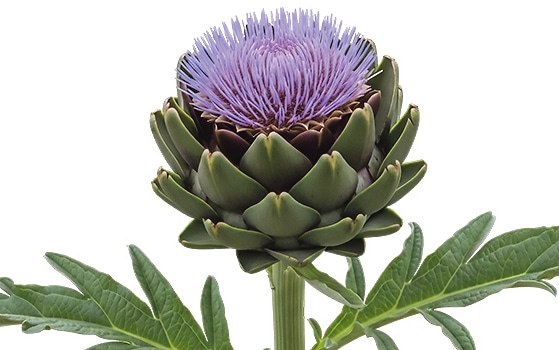
Globe artichoke, ‘Cynara scolymus’, is a classic bitter herb, as well as a delicious food. The leaves are the part most frequently used medicinally for lipid control, of which the key types are triglycerides (fats/oils), phospholipids, and sterols (cholesterol). It is also used for liver-bile support and digestion. The immature flower buds are used as food.
The leaf has long been employed by herbalists as a bitter digestive tonic, particularly in cases of bloating and slow digestion, heavy meals, or low appetite. It increases bile flow, which aids the body in managing lipids (triglycerides, phospholipids and sterols) and may lessen feelings of fullness after rich meals.
Artichoke leaf is then a ‘bitters-and-bile’ herb. It works well for those who have mild digestive sluggishness and feel better after bitter foods, and it helps the liver and gallbladder with their regular fat-handling tasks. The edible buds are also very healthy, as they are low in fat while rich in fibre, vitamins, minerals, and antioxidants. They are also exceptionally high in vitamin C and folate; they also supply essential minerals, such as magnesium, phosphorus, and potassium. All in all, the globe artichoke is a very useful plant in the garden.
Artichoke is not the ideal herb for someone with gallstones, bile duct obstruction, or active gallbladder problems because it can increase bile flow. It can also cause an allergic reaction. So, if you are allergic to any of the daisy families, you need to be more careful when using this plant. Similar to the majority of bitter herbs, it is advisable to use them sparingly and sensibly, particularly during pregnancy or breastfeeding.
The globe artichoke is an eye-catching perennial that prefers a sunny location. It likes soil that retains moisture and drains well. It should not be overcrowded or left in heavy, wet clay. It thrives in rich soil that has been enhanced with compost or well-rotted manure. Because plants develop into big, architectural clumps, space them widely, around 75 to 90 cm apart.
You can purchase new plants in the spring or grow it from seed. It is preferable to start seeds indoors in late winter or early spring, harden them, and then plant them outside once the risk of frost has subsided. Once established, the plant is resilient and can last for several years; older clumps are kept strong by splitting them every four or five years.
Harvest the buds for cooking when they are fully grown but still firmly closed. Smaller side buds may be taken later in the summer after the main bud has been harvested. If you leave some buds they will expand into attractive, thistle-like blooms that attract bees and other pollinators.
The leaf is the part used in herbal remedies. Prepare this tea by pouring boiling water over dried leaves and leaving it to infuse for ten to fifteen minutes. The only problem is that it is very bitter. Unfortunately, it is this bitter quality that contributes to its health benefits. Drink this tea about 30 minutes before a meal to maximise its therapeutic effect.
This plant has a lot to offer in the garden. It has a striking architectural structure, and it lasts many years. Also, many pollinators love it, and it offers both culinary and medicinal benefits.